70s Daisy: The Groovy Display Font for Retro Revival
There’s a certain warmth to 1970s design that feels both nostalgic and instantly recognizable. It’s in the rounded letterforms of a vintage band poster, the playful typography on a faded sticker, or the bold, funky text on a classic album cover. Capturing that specific, cheerful aesthetic is exactly what the 70s Daisy typeface does. This isn't just a font; it's a direct line to the flower-power era, built for designers and creators who want to inject their work with genuine retro-cool optimism.
Anatomy of a Groovy Typeface
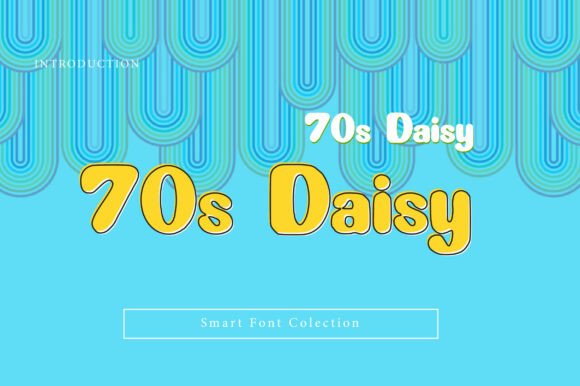
At its core, 70s Daisy is a display font with a distinct personality. Its visual characteristics are unmistakable: chunky, rounded shapes form the foundation of each letter, paired with soft, flowing curves that feel organic and approachable. The standout feature is its "hollow" center style, where the interior of letters is often left open or outlined, creating a lightweight, airy feel reminiscent of hand-painted signs or vinyl record sleeves. This outline approach is a practical design choice, allowing the font to maintain legibility even when placed over complex, patterned backgrounds—a common requirement in packaging design or social media graphics.
The overall appeal is one of joy and nostalgia. It doesn’t try to be minimalist or hyper-modern. Instead, it leans fully into a creative font identity that’s fun, bold, and unapologetically vintage. Think of it as the typographic equivalent of a sunburst illustration or a daisy chain. Its personality is perfect for projects that need to communicate warmth, whimsy, and a touch of counterculture spirit.
Where 70s Daisy Truly Shines
Understanding where a display font like this works best is key to using it effectively. Its bold, decorative nature means it’s not suited for long blocks of body copy. However, for headlines, logos, and impactful statements, it’s incredibly versatile.
For brand identity, 70s Daisy is a natural fit for businesses that want to project a friendly, approachable, and slightly retro image. Imagine it used for the logo of a local juice bar, an eco-friendly beauty brand focused on natural ingredients, or a whimsical children’s apparel line. It instantly sets a tone of optimism. In editorial design, it can make a magazine feature on 70s fashion or a blog header about vintage culture pop with authentic style.
The digital space is another playground. As a web design element, it’s excellent for hero section headings or call-to-action buttons where you need immediate visual impact. For social media graphics, especially for Instagram stories, YouTube thumbnails, or Pinterest pins, its chunky forms are highly readable at small sizes and stop the scroll. It’s also a standout choice for logo design for cafes, record shops, or artisan markets. Beyond commercial use, crafters and hobbyists will find it ideal for custom t-shirt designs, sticker sheets, and party invitations.
Practical Guidance for Designers and Creators
Choosing the right font is a strategic decision. Here’s how to evaluate and use 70s Daisy in your workflow.
Evaluating Project Fit: First, consider your project’s tone. Is it playful, nostalgic, bold, or cheerful? If so, this premium font could be a great match. It works exceptionally well for projects targeting an audience that appreciates vintage aesthetics, from millennials to Gen X. Ask yourself: does my project need to feel handmade, organic, or retro? If the answer is yes, you’re on the right track.
Font Pairing Strategy: A strong font pairing is crucial for visual hierarchy. Because 70s Daisy is a powerful display font, it needs a quiet partner. Pair it with a clean, neutral sans serif font for body text or supporting information. Fonts like Open Sans, Lato, or Montserrat provide excellent contrast, ensuring your main message (set in 70s Daisy) stands out without competing for attention. Avoid pairing it with other ornate script fonts or handwritten fonts, as this can create visual clutter.
Readability and Legibility: While the outline style is great for layered designs, always test readability. Use it at larger sizes for headlines. If using it over a busy background, ensure there is sufficient contrast or consider adding a subtle drop shadow or solid shape behind the text to improve clarity. Its rounded forms are generally friendly, but in all-caps settings, tracking (the space between letters) may need slight adjustment.
Licensing and Styles: When acquiring this commercial font, review the license to ensure it covers your intended use, whether for a client’s logo design or merchandise for sale. Check what’s included—does it come with alternate characters, ligatures, or multiple weights? These extras can add valuable flexibility to your designs.
Color and Context: Maximizing the Retro Vibe
To achieve an authentic 1970s look, context is everything. The 70s Daisy typeface begs to be paired with a psychedelic color palette. Think avocado greens, burnt oranges, mustard yellows, and soft creams. These colors complement its groovy forms perfectly.
Layer it over floral patterns, geometric sunburst designs, or textured paper backgrounds to enhance the vintage feel. Its unique outline style means it can integrate seamlessly into these compositions without disappearing. This makes it an invaluable design asset for creating cohesive retro-revival projects, from festival posters to product packaging.
Ultimately, 70s Daisy is more than just a creative font; it’s a tool for storytelling. It helps set a specific mood, influences brand perception by evoking warmth and nostalgia, and can significantly boost audience engagement through its distinctive and memorable style. By using it thoughtfully and pairing it with the right elements, you can create designs that are not only visually striking but also deeply resonant with anyone who has a soft spot for the iconic style of the 1970s.