Discovering Lucky Thick: A Vintage Script for Playful Designs
Finding a font that balances personality with professionalism can be a challenge. Many typefaces feel either too sterile for creative work or too ornate for practical use. Lucky Thick occupies a compelling middle ground, offering the warmth and character of a handwritten font with the visual weight needed for impactful designs. It’s not just another script font; it’s a tool for adding a specific kind of charm—one that feels both retro and refreshingly modern.
The Visual Character and Appeal of This Typeface
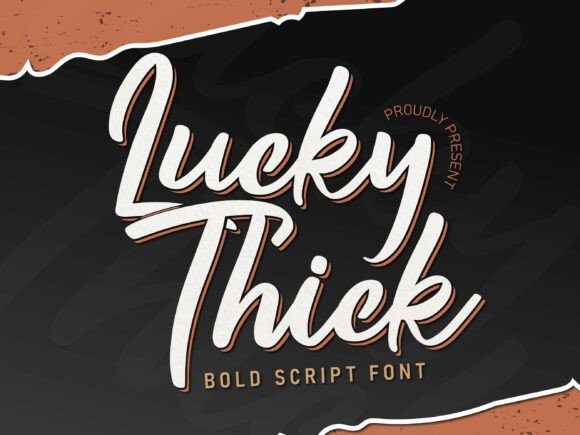
At first glance, Lucky Thick presents as a beautiful handwritten vintage script. The letterforms are fluid and connected, mimicking the natural flow of a brush or marker. What sets it apart is its weight. The strokes are consistently thick, giving each character a substantial, confident presence. This thickness prevents the font from feeling delicate or hard to read, even at smaller sizes. The vintage influence is subtle, visible in the slight variations and the classic proportions of the letterforms, avoiding a dated look in favor of timeless appeal.
The font’s personality is undeniably fun and playful, but it’s grounded. It doesn’t scream for attention with excessive swashes or overly complex alternates. Instead, its charm comes from its honest, hand-drawn quality and its sturdy construction. This makes it a versatile creative font. It can feel whimsical on a party invitation yet authoritative on a bold poster headline. The inclusion of both a script and a display style within the family is a practical consideration for designers, allowing for more complex typographic hierarchies within a single project.
Where Lucky Thick Truly Shines: Practical Applications
Understanding a font’s ideal use cases is key to effective design. Lucky Thick excels in projects where you need to inject energy, approachability, and a handcrafted feel. Its strengths are particularly evident in several key areas.
For brand identity work, especially for small businesses, cafes, boutiques, or artisanal products, this typeface can become a cornerstone. It works beautifully for a primary logo design, establishing a brand that feels friendly and authentic. When used in packaging design, it helps products stand out on a shelf, communicating a story of care and personality. The thick strokes ensure the brand name remains legible and memorable from a distance.
In the realm of marketing and social media graphics, grabbing attention is paramount. Lucky Thick is perfect for creating eye-catching headlines in digital ads, Instagram stories, or Facebook posts. Its playful nature can make a call-to-action feel more inviting. For bloggers and content creators, it’s an excellent choice for featured images or Pinterest graphics, helping to establish a recognizable visual style that boosts engagement.
The font also has a strong place in editorial and print design. Consider its use in magazine feature headers, event posters, or book cover designs. It brings a dynamic energy to layouts that might otherwise feel static. For personal projects like wedding invitations, greeting cards, or craft labels, Lucky Thick adds a splash of color and whimsy that generic fonts simply cannot match.
Making It Work: Pairing, Readability, and Licensing
Integrating a display font like Lucky Thick into a cohesive design system requires some thoughtful consideration. The goal is to let its personality shine without sacrificing clarity or professionalism.
A critical practice is font pairing. Because Lucky Thick is a strong, expressive script font, it pairs best with clean, neutral companions. A simple sans serif font like Montserrat or a classic serif font like Garamond for body text creates a necessary visual contrast. This pairing establishes a clear hierarchy: Lucky Thick draws the eye for headlines and key phrases, while the paired typeface handles longer, more readable paragraphs. Never use two highly decorative fonts together; the result is often chaotic and difficult to read.
Readability is a non-negotiable aspect of good design. While Lucky Thick is designed for clarity, context matters. It’s best suited for short bursts of text—titles, subheadings, pull quotes, and logos. Avoid setting entire paragraphs of body copy in any script font, as the connected letterforms can cause eye strain over long passages. Always test your designs at various sizes and on different devices to ensure the text remains legible. The thick strokes help maintain clarity, but good color contrast between text and background is still essential.
Finally, consider the commercial font licensing. If you plan to use Lucky Thick in a client project, a product for sale, or any commercial application, you must ensure you have the correct license. Reputable font foundries and marketplaces provide clear licensing terms. Using a premium font correctly protects you legally and supports the designers who create these valuable design assets. Always review the license agreement to understand what is permitted, whether for digital, print, or merchandise use.
Evaluating if This Font Fits Your Next Project
Before committing to any typeface, a quick evaluation can save time and ensure a better outcome. Ask yourself a few key questions. Does the project’s tone align with the font’s playful, vintage-inspired character? Is the primary use for display text like logos and headlines? Will you have a suitable companion font for body copy? Does the font family include the styles you need, such as the script and display versions in the case of Lucky Thick?
Take the time to test it. Type out key phrases from your project. View the font at the sizes you intend to use. Does it feel right? Does it communicate the intended emotion? A font is more than just letters; it’s a voice for your message. Lucky Thick offers a distinct, confident, and joyful voice that, when used thoughtfully, can elevate a design from ordinary to memorable. It’s a valuable addition to any designer’s toolkit, capable of bringing a unique sense of fun and craftsmanship to a wide array of creative endeavors.