Pickle Gherkins: A Font with a Tangy Twist
Sometimes, a project calls for something beyond standard serif or sans serif options. It needs a voice, a texture, and a literal flavor that grabs attention. Enter the Pickle Gherkins food font, a creative font that transforms the alphabet into a playful, edible arrangement. This isn't just a novelty; it’s a meticulously crafted display typeface designed for moments when you want your branding to feel approachable, humorous, and undeniably fresh.
The Anatomy of a Playful Typeface
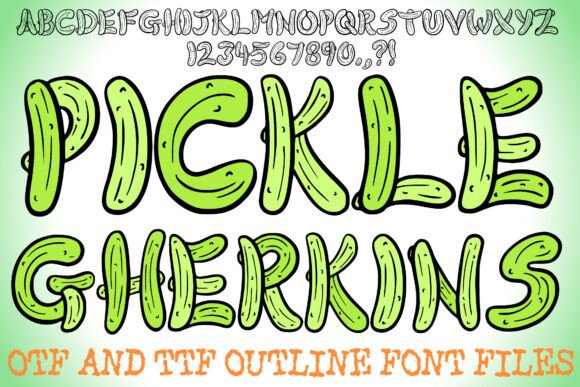
At its core, the Pickle Gherkins font is a masterclass in thematic design. The creator has taken the organic, bumpy texture of a real dill pickle and mapped it onto every letter A-Z and number 0-9. You won't find rigid geometric lines here. Instead, the characters mimic the natural curves of a cucumber, featuring a vibrant green gradient that pops off the screen or page. The design includes detailed spots and ridges, giving it a hand-drawn aesthetic that feels authentic rather than sterile.
Because this is a display font, it is best used for headlines, logos, and short bursts of text. The irregular, organic shapes of the letters contribute to a "sour-but-sweet" personality. It strikes a balance between modern typography trends that favor texture and the timeless appeal of food-related imagery. The font files are provided in OTF and TTF formats, ensuring versatility across different operating systems and design software.
Where This Font Shines Brightest
Understanding the right context for a premium font like this is key to professional design. Pickle Gherkins is not intended for body copy in a legal contract; it is a creative font built for impact. Here are practical scenarios where this typeface excels:
- Restaurant & Bar Branding: If you are working on a logo design for a deli, a burger joint, or a craft brewery, this font instantly communicates a casual, fun atmosphere. It works beautifully on menus, signage, and branded merchandise like t-shirts or hats.
- Packaging Design: For artisanal food products, packaging design is the first point of contact with the customer. Using Pickle Gherkins on a label for homemade pickles, sauces, or BBQ rubs adds a layer of authenticity and whimsy that generic fonts cannot achieve.
- Social Media Graphics: In the fast-scrolling world of Instagram and TikTok, visual hierarchy is crucial. This typeface is perfect for creating bold headlines on social media graphics, particularly for food bloggers, recipe sharers, or summer event promotions.
- Event Stationery: Planning a summer BBQ, a garden party, or a picnic-themed wedding? This font brings a cohesive theme to invitations, place cards, and party favors without looking overly formal.
Strategic Application and Brand Perception
Typography is a silent ambassador for a brand. Choosing the Pickle Gherkins typeface sends a specific psychological signal to your audience: you are approachable, you don't take yourself too seriously, and you value creativity. For small business owners and entrepreneurs, this can be a powerful differentiator. In a market saturated with minimalist sans serif logos, a textured, hand-drawn display font tells a story of craftsmanship.
However, successful brand identity relies on consistency. If you use Pickle Gherkins for your logo, ensure the rest of your design assets support it. This font pairs exceptionally well with clean, neutral typefaces. Try combining it with a legible handwritten font for subheadings or a simple sans serif font for body text. This contrast allows the "gherkin" texture to remain the focal point without overwhelming the viewer's eye.
Practical Considerations for Designers
Before integrating this font into your workflow, it is helpful to review its technical specifications. The file contains capital letters, numbers, and basic punctuation (. , ? !). It is an outline font, meaning the characters are defined by their edges, which preserves the detailed texture even when scaled.
When testing font pairing, look for typefaces that share a similar x-height or weight distribution, even if the styles differ. For example, a bold, rounded sans serif font can anchor the playful shapes of the gherkins. Avoid pairing it with other highly decorative or script fonts, as this can create visual clutter and reduce legibility.
From a technical standpoint, always test the font in the specific medium you intend to use. A font that looks great in web design might need adjustments for print editorial design. Check the kerning (spacing between characters) to ensure the organic shapes fit together seamlessly. While the bumpy texture is part of the charm, you don't want letters crashing into each other in a way that obscures the word.
Final Thoughts on Creative Typography
The world of modern typography is vast, ranging from austere serif fonts to fluid script fonts. Pickle Gherkins occupies a unique niche in the food and novelty category. It is a commercial font that offers immediate personality. Whether you are a crafter looking for a unique typeface for a sticker pack or a marketer designing a campaign for a summer festival, this font provides the tools to make your text visually "edible."
Ultimately, the goal of design is communication. By selecting a typeface that mirrors the subject matter—like using a pickle font for a pickle brand—you remove the barrier between the viewer and the message. It creates an instant connection, making the content memorable. When used thoughtfully, Pickle Gherkins is more than just letters; it’s a design asset that adds a tangy, refreshing twist to any project.