Senior Font: A Fresh Retro Vibe for Modern Projects
There’s a particular feeling that comes with rediscovering a well-loved book from childhood, or finding a perfect vintage poster at a flea market. It’s a blend of nostalgia, warmth, and undeniable character. The Senior typeface captures this exact sentiment, translating it into a digital tool that’s currently resonating deeply within creative and educational circles. It’s not just another retro font; it’s a stylistic statement that bridges past charm with present-day design needs.
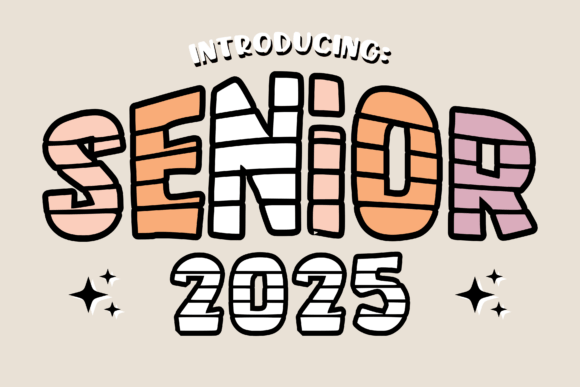
At its core, Senior is a display font with a clear retro personality. Think of the playful, slightly rounded letterforms you might see on a 1970s children’s book cover or a classic school yearbook title. Its characters often feature soft terminals, subtle ink traps, and a gentle, handcrafted quality that avoids feeling sterile or overly mechanical. This isn’t a script font or a handwritten font—it’s a structured, legible serif or sans serif (depending on the specific style) that carries a distinct nostalgic weight. The appeal lies in its ability to feel both familiar and fresh, offering a pop of aesthetic warmth that can instantly elevate a design.
Where Senior Truly Shines: Practical Applications
Understanding a font’s personality is one thing; knowing where to deploy it is where the real value lies. Senior’s retro charm makes it exceptionally versatile for projects where you want to inject approachability, nostalgia, or a touch of whimsy. It’s a fantastic creative font for a range of mediums.
In editorial design, Senior can set a compelling tone for chapter titles, pull quotes, or magazine headers, especially in publications focused on lifestyle, education, or culture. Its character helps break the monotony of standard body text, guiding the reader’s eye and creating visual interest. For packaging design, particularly for products aimed at families, educators, or the gift market, this typeface can build immediate brand recognition. Imagine it on a snack box, a children’s toy label, or a craft supply package—it communicates a friendly, trustworthy vibe before a word is read.
The digital space is equally welcoming. As a tool for logo design, Senior can be the cornerstone of a brand identity for a tutoring service, a indie bookstore, a creative workshop, or a children’s apparel line. Its distinctiveness aids in brand recall. For social media graphics, it’s a secret weapon for creating eye-catching quotes, announcement headers, or story titles that stand out in a crowded feed. When used for a website’s main headings in web design, it can inject personality into an otherwise minimalist layout, though careful pairing with a clean body font is essential for overall readability.
Of course, its roots in the school world make it a natural fit for educational materials, yearbooks, event posters, and classroom decorations. But don’t box it in. Entrepreneurs and small business owners can leverage it for unique merchandise like t-shirts, mugs, and stickers, where a retro aesthetic often commands a premium. It’s a premium font in the sense that it delivers significant stylistic impact, helping your projects look curated and intentional.
Integrating Senior Into Your Design Workflow
Adopting any new typeface requires a bit of strategy. First, evaluate the project’s core message. Senior works best when the goal is to evoke warmth, nostalgia, creativity, or a down-to-earth professionalism. It might not be the ideal choice for a ultra-modern tech startup or a luxury brand seeking minimalist elegance, but for a vast array of other projects, it’s a potent asset.
One of the most critical steps is font pairing. Because Senior has such a strong personality, it often benefits from being paired with a more neutral companion. A clean sans serif font for body text or secondary information can provide balance, ensuring the design remains legible and doesn’t become visually overwhelming. Conversely, pairing it with a simple script font can create a dynamic, layered hierarchy for invitations or promotional materials. Always test pairings at the intended size and on the final medium—what looks good on screen may render differently in print.
Check what’s included in the font package. Does it offer multiple weights (Regular, Bold, etc.)? Are there stylistic alternates or ligatures that can add extra flair? These features expand its utility, allowing for more nuanced typographic compositions. Pay close attention to readability considerations. At very small sizes, the retro details that give Senior its charm might become muddy. It’s generally best used for headlines, titles, and short bursts of text rather than long paragraphs.
Finally, for any commercial application—whether it’s a client project, a product for sale, or marketing collateral—confirm the commercial licensing. Using a commercial font correctly ensures you’re legally covered and often supports the type designers who create these valuable design assets. Senior offers a fantastic way to add a consistent, recognizable thread to your brand identity across multiple touchpoints, from digital ads to printed hangtags. By thoughtfully integrating it, you’re not just choosing a font; you’re selecting a personality that can help tell your brand’s story more effectively.