Willowette Font: Soft, Romantic Charm for Every Project
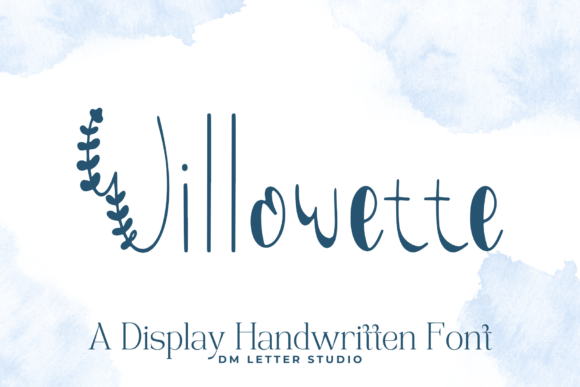
When you need a typeface that whispers elegance rather than shouts, Willowette steps in with quiet confidence. This display font blends flowing, cursive-inspired letterforms with a refined structure that keeps every word readable, whether it graces a wedding invitation or a product label. Unlike overly ornate script fonts, Willowette balances decorative flair with practical clarity, making it a versatile tool for designers, entrepreneurs, and creators who want their projects to feel both polished and personal.
Understanding Willowette's Visual Personality
At its core, Willowette is a premium font that feels handwritten yet sophisticated. Its gentle curves and connected strokes create a sense of movement, while the carefully adjusted spacing ensures each letter remains distinct. This isn't a font that overwhelms—it complements. The overall appeal lies in its ability to convey warmth and approachability without sacrificing professionalism. Think of it as the typographic equivalent of a beautifully wrapped gift: it catches the eye, but the contents still matter most.
As a creative font, Willowette shines in contexts where you want to evoke emotion and authenticity. Its style sits comfortably between a traditional script font and a modern handwritten font, offering enough character to stand out in headlines yet enough restraint to avoid visual clutter. This balance makes it particularly effective for projects that aim to feel bespoke, from boutique branding to lifestyle blog headers.
Where Willowette Truly Comes Alive
Willowette finds its strongest applications in short, impactful text. Wedding stationery is a natural home—imagine "Save the Date" or a couple's names rendered in its graceful curves. For small business owners, it works beautifully for logo design, especially for brands in beauty, wellness, fashion, or gourmet food. The font's gentle flow suggests care and quality, subtly influencing brand perception before a customer even reads the product description.
Beyond print, Willowette adapts well to digital spaces. Social media graphics gain a personal touch when headlines use this font, while website headers can establish an elegant tone for lifestyle blogs or boutique e-commerce sites. In packaging design, its clean outlines ensure text remains legible on boxes, labels, and tags, even at smaller sizes. The font's versatility extends to editorial design, where chapter titles or pull quotes can benefit from its romantic charm without disrupting the overall layout hierarchy.
Practical Guidance for Using Willowette
When evaluating whether Willowette fits your project, consider the context and audience. It pairs exceptionally well with modern serifs and clean sans serif fonts, allowing you to create visual hierarchy without clashing styles. For instance, combine Willowette headlines with a simple sans serif body text for wedding invitations, or pair it with a classic serif for a boutique lookbook. This font pairing approach ensures your designs feel cohesive and intentional.
Testing is straightforward. Install the font files and experiment in design software like Canva, Photoshop, or Illustrator. Pay attention to how the letterforms interact with your color palette—soft tones like champagne, blush, or sage enhance its romantic qualities, while darker contrasts like charcoal or navy add depth. Since Willowette is optimized for headlines, use it sparingly; overuse can diminish its impact. Focus on key phrases, names, or logos where its character can shine.
From a technical standpoint, Willowette's balanced strokes and tuned spacing make it reliable for various production methods. Whether you're creating foil-stamped invitations, vinyl-cut decals, or digitally printed labels, the font maintains its clarity and elegance. Its clean outlines also support techniques like letterpress, embossing, and engraving, ensuring a consistent premium look across materials.
Building a Cohesive Brand Identity
For entrepreneurs and brand strategists, Willowette offers more than aesthetic appeal—it contributes to a recognizable visual language. Using it consistently across touchpoints like business cards, website banners, and social media posts helps build brand identity without appearing repetitive. The font's subtle personality allows it to adapt to different contexts while maintaining a unified feel, which is crucial for audience recognition and trust.
When integrating Willowette into your brand assets, consider creating a style guide that specifies its usage. Define which elements—such as product names, taglines, or call-to-action phrases—will use the font, and establish pairing rules with complementary typefaces. This approach prevents overuse and ensures the font enhances rather than dominates your designs. Remember, effective typography supports your message; it shouldn't overshadow it.
Ultimately, Willowette is a design asset that rewards thoughtful application. Its strength lies in its ability to add a human touch to digital and print projects, making it ideal for creators who value both beauty and function. By understanding its characteristics and testing it in real-world scenarios, you can harness its potential to elevate your work—whether you're designing a wedding suite, launching a product line, or refreshing a blog's visual identity.