Injecting Energy: The Radical Groovy Typeface Revolution
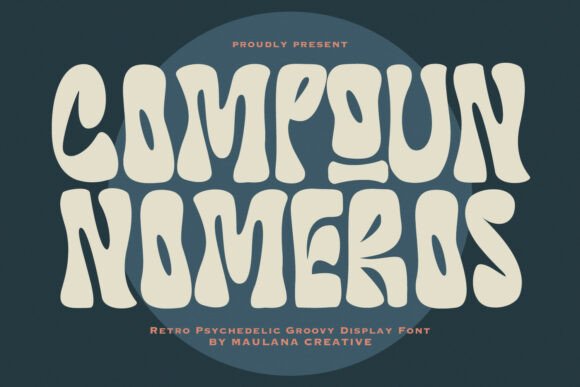
If you have spent any time scrolling through design feeds lately, you have likely noticed a shift away from the sterile, ultra-minimalist aesthetics of the last decade. We are seeing a resurgence of personality, and nowhere is this more apparent than in the return of bold, stylized typography. At the forefront of this movement is the Radical font family. This isn't just a nod to the past; it is a sophisticated reimagining of retro vibes for the modern digital age. Designed to capture the essence of the groovy 70s while maintaining the crispness required for contemporary graphic design, Radical is a premium font that commands attention without shouting.
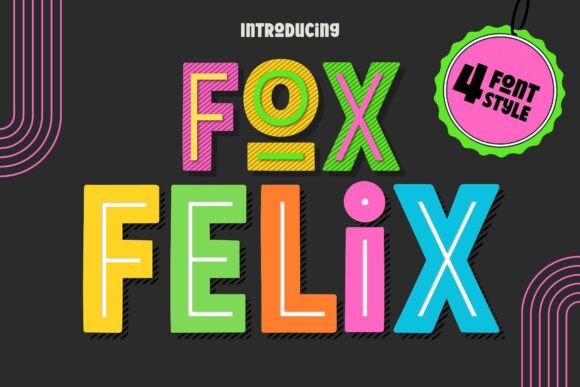
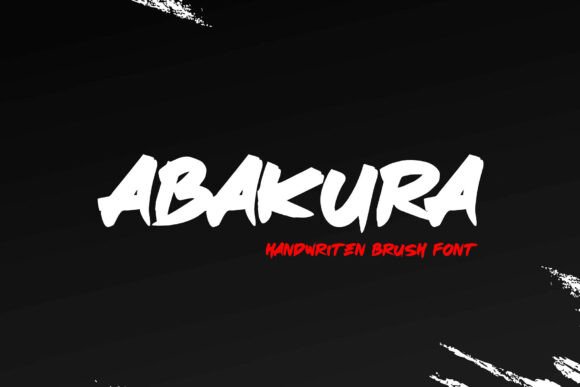
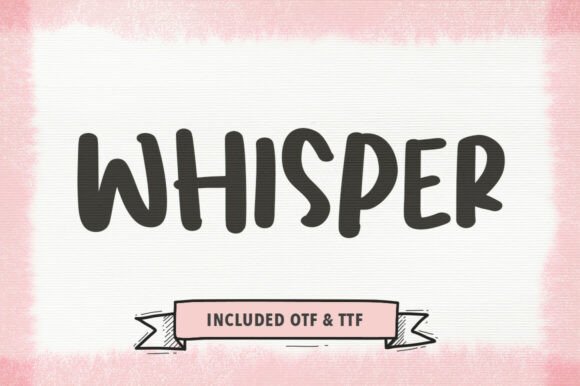
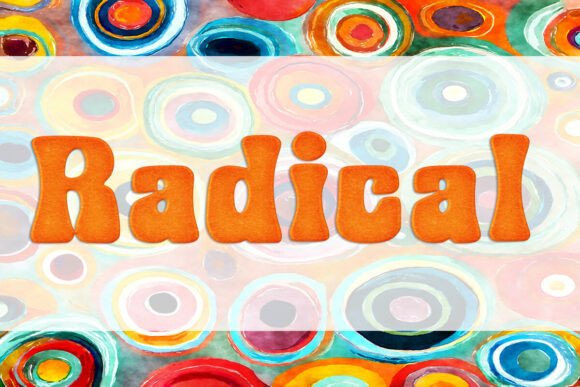
The visual DNA of Radical is built on high-contrast letterforms and fluid curves. It sits comfortably in the realm of a display font, meaning it is crafted specifically for headlines, logos, and short bursts of text where impact is the primary goal. Unlike a standard sans serif font that prioritizes neutrality, Radical possesses a distinct personality. It feels energetic, optimistic, and undeniably stylish. Whether you are working on logo design for a new startup or revamping the brand identity of a lifestyle blog, this typeface brings a warmth and human touch that rigid geometric fonts often lack.
Visual Characteristics and Personality
When you break down the anatomy of Radical, you notice the subtle details that make it a versatile creative font. The characters often feature varying stroke widths, giving it a rhythmic quality that guides the eye across the page. This makes it an exceptional choice for editorial design, particularly for magazine covers or feature headers where you need to set a mood instantly. It bridges the gap between a retro script font and a structured serif font, offering the flair of the former with the legibility of the latter.
For those working in packaging design, the appeal of Radical is immediate. Imagine a craft coffee label or a boutique skincare bottle; the font injects a sense of artisanal quality and fun. It suggests that the brand doesn't take itself too seriously but still cares deeply about aesthetics. This psychological trigger is vital in marketing. When a consumer sees this typeface, they subnotionally associate the product with creativity and trend-awareness. It is a tool that allows entrepreneurs and small business owners to stand out on crowded shelves—both physical and digital.
Strategic Applications for Modern Creators
The versatility of a font like Radical extends far beyond traditional print. In the realm of web design, it serves as a powerful anchor for landing pages. While it might not be suitable for long-form body text (where a clean sans serif font usually wins for readability), it excels in hero sections. Pairing Radical with a minimal sans serif creates a dynamic font pairing that establishes a clear visual hierarchy. The bold headers draw the user in, while the clean body text ensures the message is delivered clearly.
For content creators and social media managers, the need for thumb-stopping graphics is constant. Radical is a game-changer for Instagram carousels, Pinterest pins, and YouTube thumbnails. Its bold nature ensures legibility even on small mobile screens, provided the contrast is high. It is also a fantastic design asset for creating SVG files and cut files for Cricut projects. The clean, smooth curves of the letters translate beautifully to vinyl cutting and screen printing, making it a favorite among crafters and hobbyists creating custom t-shirts, stickers, and signage.
Practical Guidance for Implementation
Adopting a new typeface into your toolkit requires more than just downloading the files; it requires strategy. Here is how to effectively integrate Radical into your workflow:
- Evaluate the Context: Radical works best when it has room to breathe. Avoid cramming it into tight spaces or using it for dense paragraphs. It is a display font, meaning it shines in large sizes. Use it for quotes, headers, and call-to-action buttons.
- Master the Pairing: Because Radical has such a strong personality, it can easily overpower other elements. Avoid pairing it with other decorative fonts or handwritten fonts. Instead, let it stand alone against a neutral background. A classic combination is using Radical for the main headline and a geometric sans serif for sub-headers and body copy.
- Check Your Licensing: If you are using this for client work, merchandise, or commercial font applications, always verify the license. Most premium fonts come with specific terms regarding the number of users or the number of prints. Ensuring you have the correct license protects your business and supports the type designers.
- Test for Readability: While the font is stylish, never sacrifice message clarity. Test your designs at the actual size they will be viewed. If you are designing a billboard, the kerning (spacing between letters) might need adjustment. If it is for a mobile app, ensure the weight is heavy enough to render clearly on low-resolution screens.
Building a Cohesive Brand Ecosystem
For marketers and brand strategists, consistency is the currency of trust. When you select a typeface like Radical, you are making a statement about your brand's voice. It suggests innovation, energy, and a connection to culture. This is particularly effective for brands targeting demographics that value nostalgia blended with modernity—think Gen Z and Millennials who appreciate vintage aesthetics but demand modern performance.
Imagine a wellness brand using Radical for its logo and packaging. The font conveys vitality and movement, aligning perfectly with the product's promise. Now, imagine that same brand using a stiff, corporate serif. The mismatch would create cognitive dissonance. Radical allows you to build an immersive world for your audience. From the social media graphics to the greeting cards included in an order, the typography ties the entire experience together.
Final Thoughts on Versatility
Ultimately, the value of a typeface lies in its ability to solve problems. Radical solves the problem of standing out in a sea of sameness. It provides designers, bloggers, and publishers with a tool that is both functional and expressive. Whether you are designing a one-off poster for a local event or establishing a comprehensive brand identity for a global launch, this font offers the flexibility to adapt to your needs. It is a reminder that typography is not just about reading words; it is about feeling them.